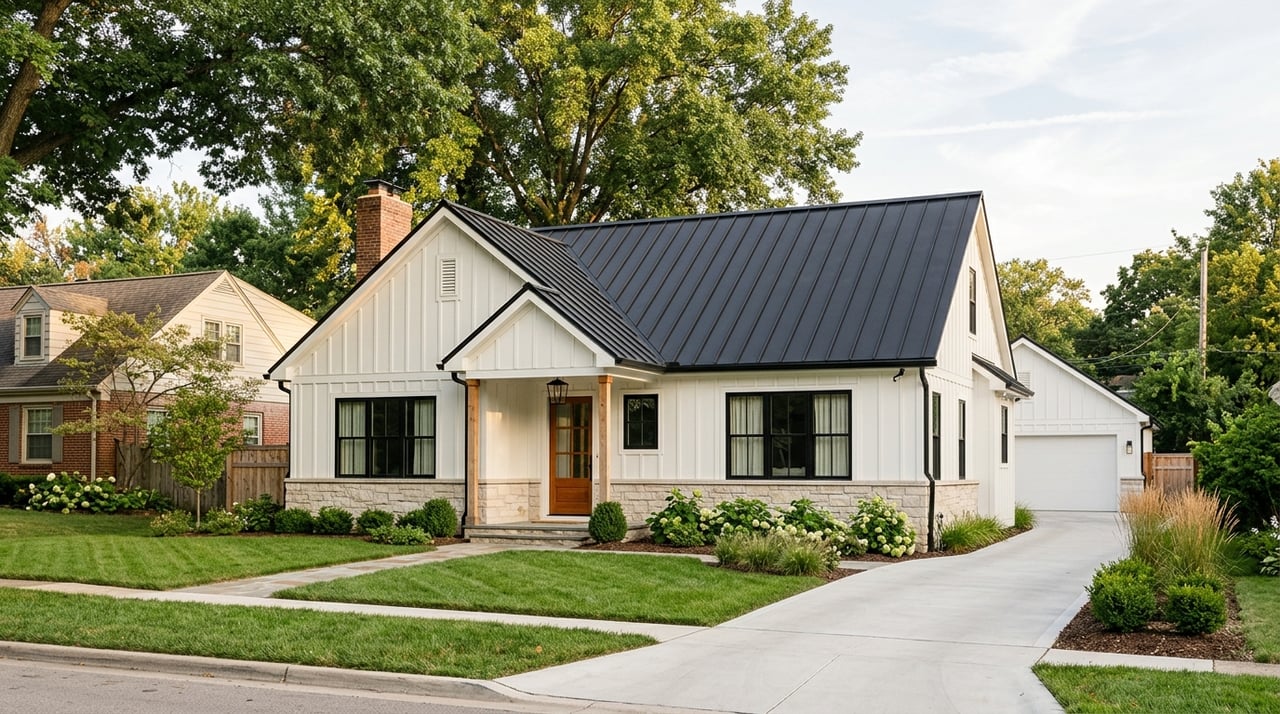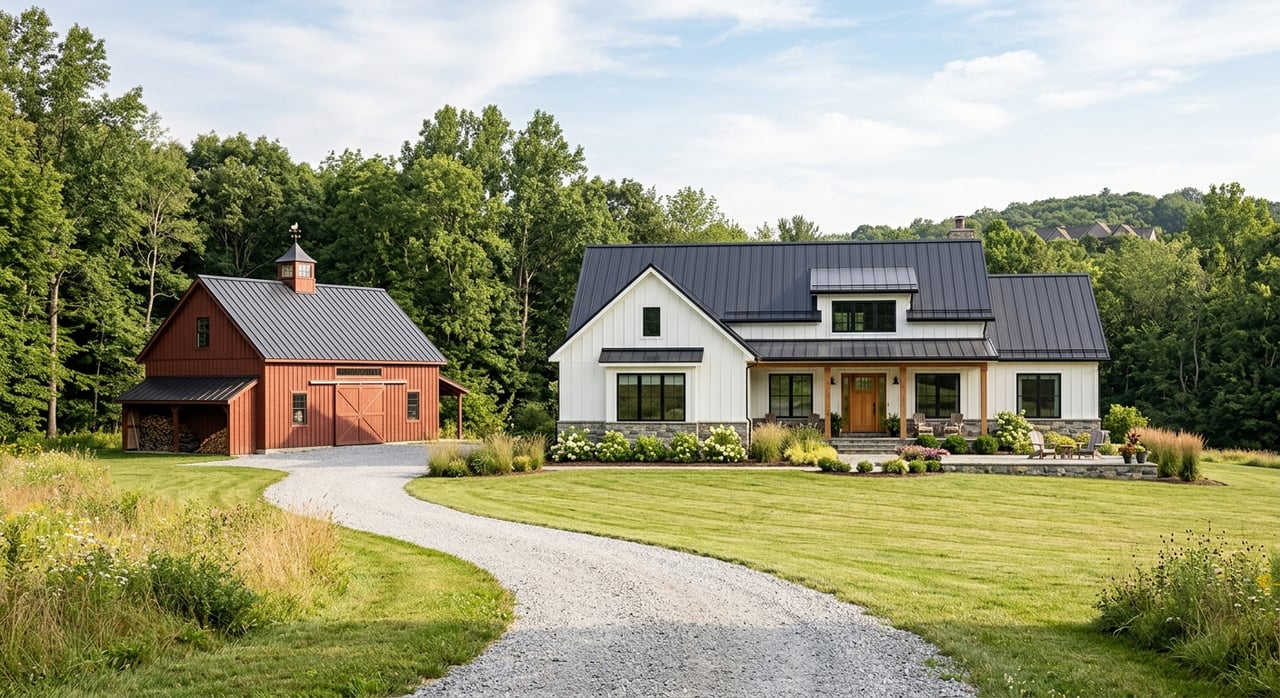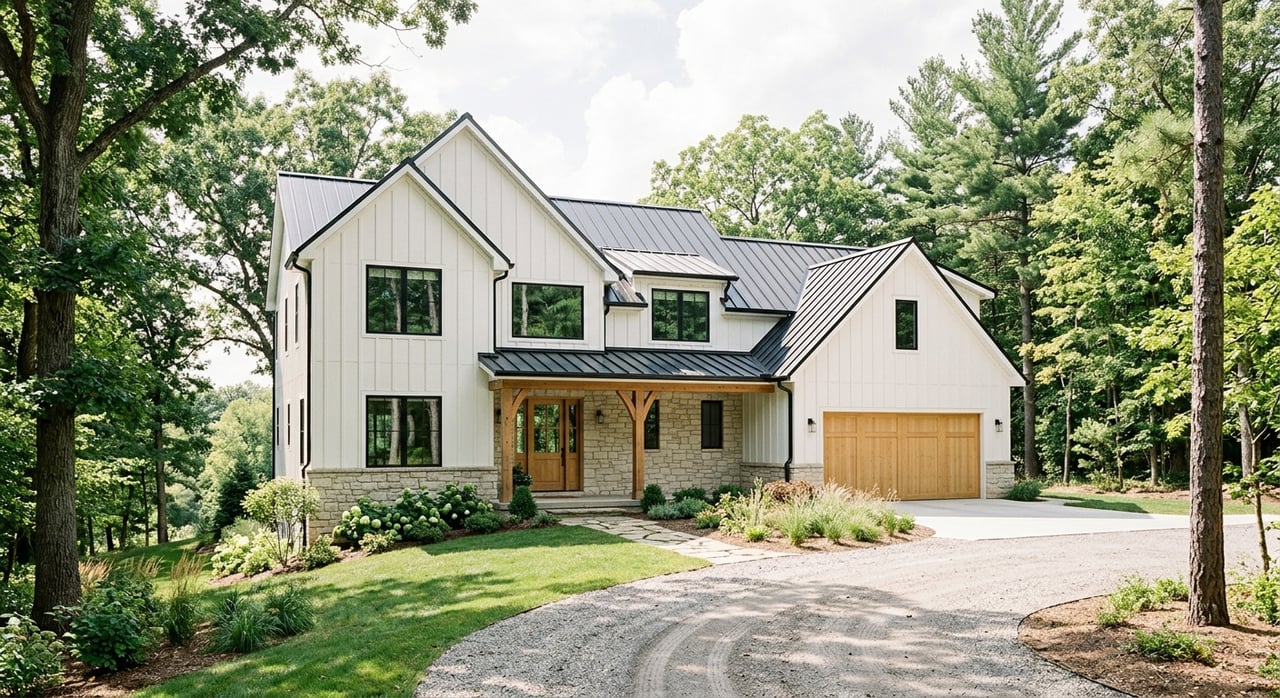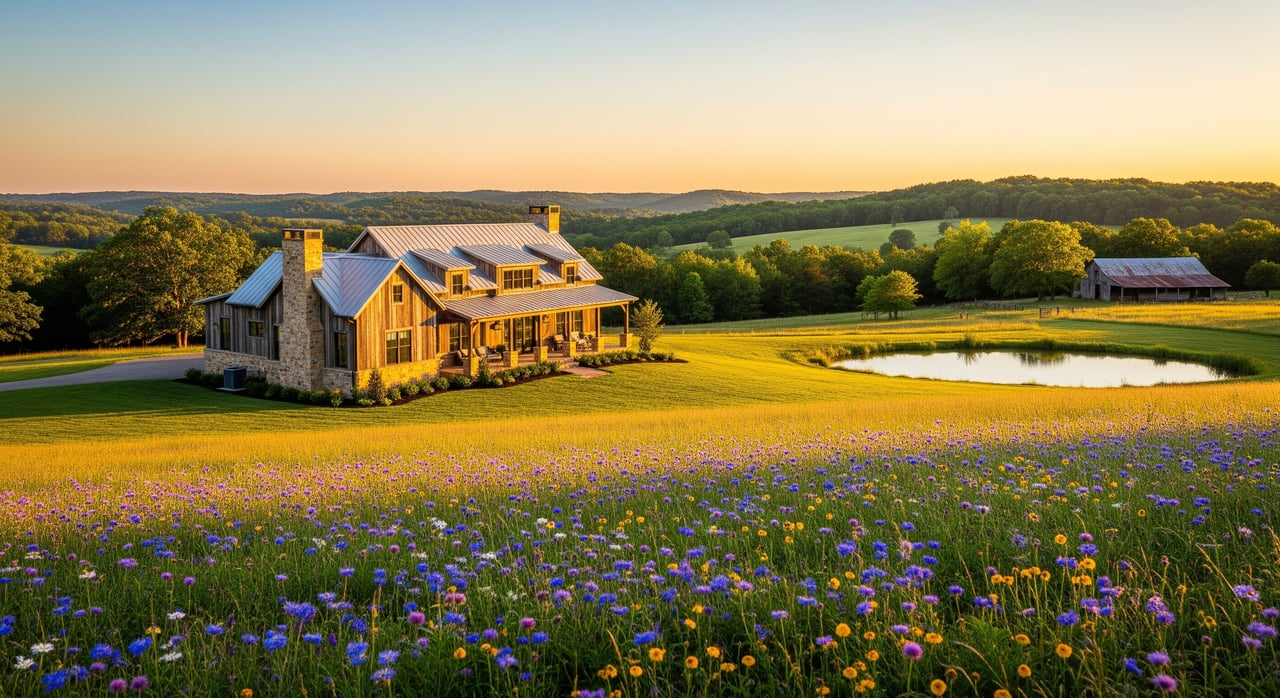
Is the acreage life around Harrison calling your name? Maybe you picture morning coffee on a ridge, a few cattle or horses, and weekends on the tractor. That dream is absolutely possible here. It also comes with gravel roads, well and septic care, and a few seasonal chores that keep your place running smoothly. In this guide, you’ll get a clear, local look at what day-to-day life on acreage near Harrison really feels like, what it costs in time and money, and how to plan your next steps. Let’s dive in.
The land and climate you’ll live with
The Harrison area sits in the northern Arkansas Ozarks, so expect rolling to steep hills, timbered ridges, and classic Ozark rock outcrops. Many rural parcels lie in unincorporated Boone County, where you’ll find a mix of pasture, woodlots, and the occasional spring or sinkhole. Those features are part of the charm, but they also affect pasture productivity, driveway design, and where you place a home site.
You’ll feel all four seasons. Summers are hot and humid, winters are cool, and spring is your main maintenance and planting window. Occasional winter storms or ice can slow or close secondary roads, so you plan ahead with supplies and a backup heat source.
On the land-use side, small-scale cattle, hay, horses, hobby poultry, and productive gardens are common. Large row crops are less typical due to the terrain. Many owners also manage mixed hardwood timber on part of their acreage.
Getting around: commute reality
Most acreage owners use a mix of U.S. highways, state routes, county roads, and private drives. Once you turn off the main highway, expect narrower, winding, and sometimes unpaved roads. This matters for commute time. A 20 to 30 mile drive on rural roads can take longer than the same distance on a straight highway.
Winter weather can add time, and county maintenance varies by road type and jurisdiction. If you commute or have regular appointments, test your route at the times you’d normally travel. It’s the best way to understand your day-to-day rhythm.
Utilities: power, water, and heat
- Electricity. Many rural homes are served by electric cooperatives. Service is widely available, but long runs from the nearest line can add cost. Verify availability and any extension fees for a specific property.
- Water. Private wells are common. Well depth and yield depend on local geology. You should plan for a water test, and some buyers choose shock chlorination or add filtration systems.
- Septic. Most unincorporated parcels use septic systems. Soil type affects design and permits. Factor in an inspection during due diligence, and be ready for pumping every few years or a replacement if the system is at the end of its life.
- Heating fuel. Propane, electric, and wood heat are typical. Many owners keep a wood supply and use a stove or insert to supplement.
- Internet and phone. Coverage is mixed. In-town addresses may have cable or DSL. Rural areas often rely on fixed wireless, satellite services, or newer LEO options. Cell coverage can be spotty in hollows or behind ridges. Always test service at the property and along your commute.
Health, schools, and emergency services
Harrison has primary care clinics and local medical services. For some specialties, you may travel to larger regional centers. School districts are parcel-specific, so confirm district lines if that is important to you.
Emergency response times can be longer in remote spots. Many acreage owners join the local volunteer fire district, maintain accessible driveways, and think through water access for firefighting such as ponds or cisterns. Clearing brush and creating defensible space around structures is a smart standard practice.
Daily chores and seasonal tasks
Living on acreage is rewarding, but it is hands-on. Build time into your week for the core tasks that keep things tidy and functional.
- Driveway upkeep. Gravel needs periodic regrading and fresh loads, especially after heavy rains. Culverts and low-water crossings should be checked after storms.
- Fencing. If you keep livestock, plan for seasonal fence checks and repairs. Replacement posts and occasional mending are normal line items.
- Water systems. Monitor well and pressure tank performance, swap filters on schedule, and insulate lines before hard freezes.
- Septic care. Pump every 3 to 5 years based on household size and usage. Watch for slow drains and surface wetness near the field.
- Timber and brush. Thin crowded areas, control invasives, and keep trails and firebreaks clear. Many owners contract larger timber or excavation work.
- Ponds. If you have a pond, you may need aeration, bank stabilization, and periodic dredging or stocking decisions.
Equipment you might want
You can hire out a lot of work, but many acreage owners like basic tools for self-sufficiency.
- Compact tractor with a loader and mower
- Post driver or auger for fencing
- Chainsaws and safety gear
- Utility trailer and basic hand tools
You can also contract haying, dozer work, excavation, or large tree jobs. Decide what fits your budget, schedule, and comfort level.
Time commitments you should expect
Even a hobby setup will ask for attention. Expect weekend time for mowing, fence checks, storm cleanup, and equipment care. Add more time if you keep livestock. Your routine will scale with your acreage and the goals you set for the land.
Budgeting: beyond the mortgage
Ownership costs vary by property condition and your plans, but some line items are common across many Ozarks acreage homes.
- Access and driveways. Fresh gravel, grading, and erosion control are recurring costs. Steeper drives or long runs can increase the budget.
- Wells and pumps. Testing, treatment, and pump replacement are realistic life-cycle expenses.
- Septic systems. Regular pumping and potential replacement for older systems should be in your long-term plan.
- Fencing. New installs and repairs are ongoing if you keep animals.
- Timber and brush work. Clearing, thinning, and pasture improvement may require periodic investment.
- Utility extension. Bringing power, internet, or a longer service drop to a new home site can add up.
Collectively, these items can range from several thousand to tens of thousands of dollars over time based on scope. Arkansas’ property tax burden is historically lower than the national average, but school and special district millages are parcel-specific. Always verify taxes for a given parcel with county records.
Site checks and environmental factors
Ozark soils can be rocky and shallow in places, which affects septic suitability and pasture productivity. Map-based tools and local experts can help you understand soil capability and erosion risk on a given tract.
Even on hilly land, check for flood risk in low areas near creeks or bottoms. Karst features like sinkholes or springs are part of the landscape, and some building sites benefit from extra geotechnical review.
Wildlife is a perk and a consideration. You’ll likely see deer and turkey. Coyotes are present. Feral hogs can damage pastures and gardens in parts of Arkansas. Tick and mosquito seasons are normal, so plan your outdoor routines and pet care accordingly.
Recreation and community life
One reason people choose acreage near Harrison is access to the Ozarks. You are close to hiking, hunting, fishing, boating, and scenic county-road or ATV riding. Local rhythms include county fairs, farmers markets, church groups, and small-town festivals. These are great places to meet neighbors, trade practical tips, and find help when you need it.
Lifestyle patterns vary:
- Hobby farmer. A small herd of cattle or horses, a chicken coop, vegetable beds, and a bit of timber management.
- Weekend retreat. Trails, a pond, maybe a hunting blind, and low-intensity pasture care.
- Market or small-production farm. Selling hay, produce, or eggs takes more infrastructure and attention to regulations around sales and food safety.
In unincorporated areas, you will often encounter fewer municipal restrictions. That flexibility is a pro for many buyers. It also means you should expect normal agricultural noise and activity from neighboring parcels.
Is acreage living right for you?
If you love privacy, open sky, and hands-on projects, you will likely thrive. You trade shorter commutes and city services for more space and a stronger connection to the land. The best way to know is to visit a few properties, drive the roads in different weather, and talk through your goals and budget with a local expert who understands rural systems.
Buyer checklist for Boone County acreage
Use this short list to organize your due diligence:
- Access and roads. Confirm recorded access, right-of-way, and who maintains any shared driveway. Note road type and grade.
- Utilities. Map electric line locations, confirm broadband options, and review well logs if available. Plan a water test and a septic inspection.
- Surveys and rights. Obtain a recent boundary survey and check for easements. Ask about mineral or timber rights.
- Zoning and restrictions. Many rural parcels have limited zoning, but subdivisions or covenants exist in some areas. Verify before you plan barns or outbuildings.
- Environmental checks. Review soil capability and any flood-prone areas. Note karst features that may affect building sites.
- Maintenance history. Ask about driveway work, well pump age, septic installation date, fence condition, and any timber harvests.
- Connectivity and commute. Test cell and internet at the property. Drive your commute during your normal travel times.
How Jeff helps you buy with confidence
Rural property is its own specialty. You deserve guidance from someone who knows the roads, the soils, and the service providers. Jeff Pratt has called Harrison home since 1979 and leads Property Connections, a United Country franchise built to serve ranches, equestrian properties, acreage homes, lake places, and conventional residential moves. From valuation and negotiation to lining up inspectors, contractors, and remote closings, you get full-service support from a trusted local broker with national reach for specialty properties.
If acreage life around Harrison is on your mind, let’s map a plan that fits your goals, budget, and timeline. Talk with Jeff Pratt to start the conversation.
FAQs
How long do rural commutes around Harrison usually take?
- Drive the exact route at your normal travel time. Rural road type and speed limits matter more than miles, and winter weather can add delays.
What internet options are common on acreage near Harrison?
- In-town addresses may have cable or DSL. Rural parcels often use fixed wireless, satellite, or newer LEO services. Always test service on the property.
Do I need inspections for well and septic on Boone County acreage?
- Yes. Plan a water test for wells and a full septic inspection. Expect regular pumping every 3 to 5 years and potential replacement for older systems.
What equipment is most useful for 5 to 20 acres in the Ozarks?
- A compact tractor with a loader and mower, a post driver or auger, chainsaws, and basic hand tools cover many routine tasks. Hire out heavy work as needed.
What ownership costs should I plan for beyond the mortgage?
- Budget for driveway gravel and grading, well and pump work, septic care, fencing, brush and timber work, and possible utility extensions. Taxes vary by parcel.
Are there livestock or building restrictions in unincorporated Boone County?
- Many rural parcels have limited zoning, but subdivisions or covenants can apply. Confirm county status and any private restrictions before you buy or build.