Trying to choose between a house in Harrison and a place on a few acres just outside town? The right answer depends on how you live day to day, how far you want to drive, and how much upkeep you want to take on. If you are weighing privacy and space against convenience and services, you are not alone.
In this guide, you will compare commute times, utilities, internet, upkeep, insurance, financing, taxes, and resale factors specific to Harrison and Boone County. You will also get a simple checklist to use before you write an offer. Let’s dive in.
Start with lifestyle fit
Start by picturing a normal week. Do you want a short drive to errands and work, plus city water and sewer? Or do you want elbow room for a shop, animals, or hobbies, and you are fine handling a well and septic? Your routines will point you in the right direction.
A quick snapshot helps set the stage. Harrison has about 13,000 residents within a rural county of roughly 37,000. That means you can have small‑town services in the city and wide‑open options a few miles out. Your decision is less about right or wrong and more about what fits your life.
Commute and daily travel
- Branson is typically about a 30 to 45 minute drive from Harrison, depending on route and traffic. You can verify sample drive times with a simple check like the Harrison‑to‑Branson drive time.
- Springfield is much farther, so plan on a longer highway run if your job is there.
If you buy acreage, “close” can still mean a longer daily drive. Many acreage owners either work locally or remotely. If commuting is key, test the specific address during your typical drive hours.
Utilities and services
In‑town advantages
Inside Harrison city limits, you can expect municipal water and sewer, curbside trash service billed through the city, and city street maintenance. The city’s public works pages outline water, sewer, and trash services in one place, which simplifies setup and billing. You can learn more about services on the City of Harrison’s water, sewer, and trash page.
Being in town also means faster access to local clinics and services. If quick medical access is part of your needs, geography matters.
Acreage realities
Outside city limits, most properties rely on a private well and an onsite wastewater system. Arkansas’ rules and permits for septic systems are managed by the Department of Health. Make sure you understand permitting, system design, and maintenance requirements before you buy. See the Arkansas Department of Health’s onsite wastewater program for details.
Internet can be the deciding factor for many buyers. In Harrison, wired options like cable or fiber may be available in pockets. Rural addresses might use fixed wireless or satellite. Check actual service and speeds by address, starting with the Harrison page on BroadbandNow, then confirm directly with providers.
Privacy and land use
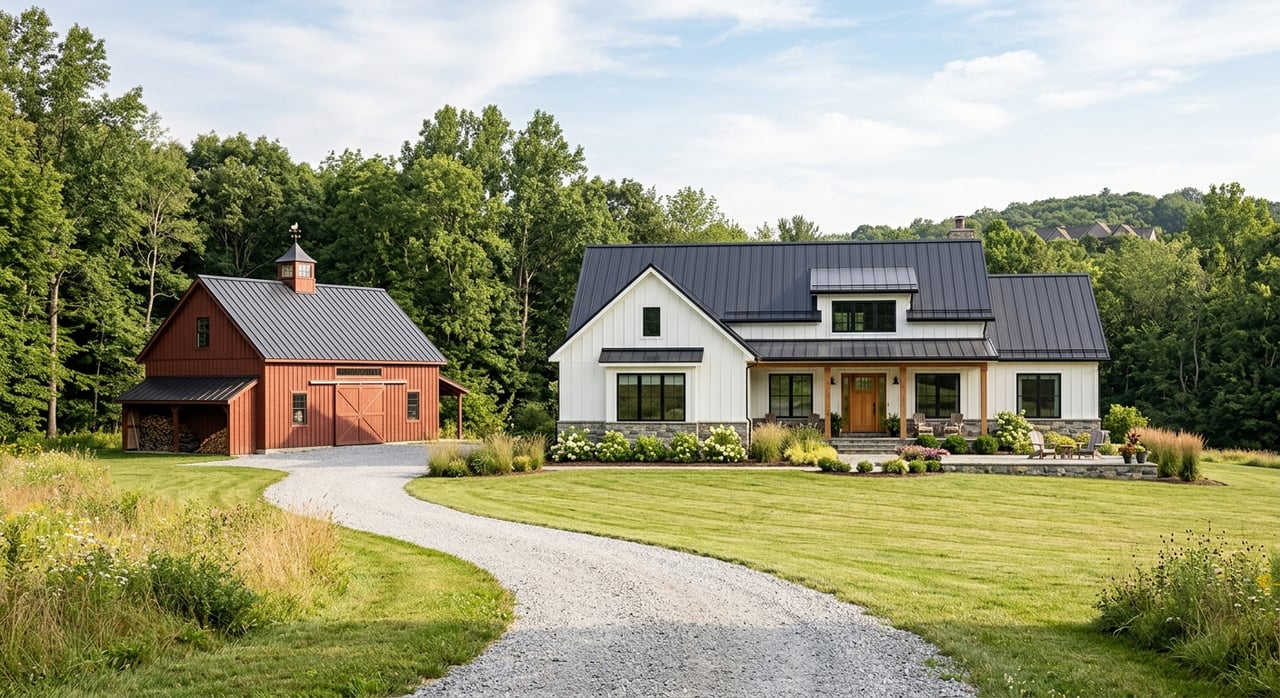
Acreage delivers separation, space for barns and outbuildings, and room to play. Many parcels near Harrison are wooded and hilly, which can be beautiful and private. That same terrain can mean extra site work for grading, driveways, utilities, and erosion control.
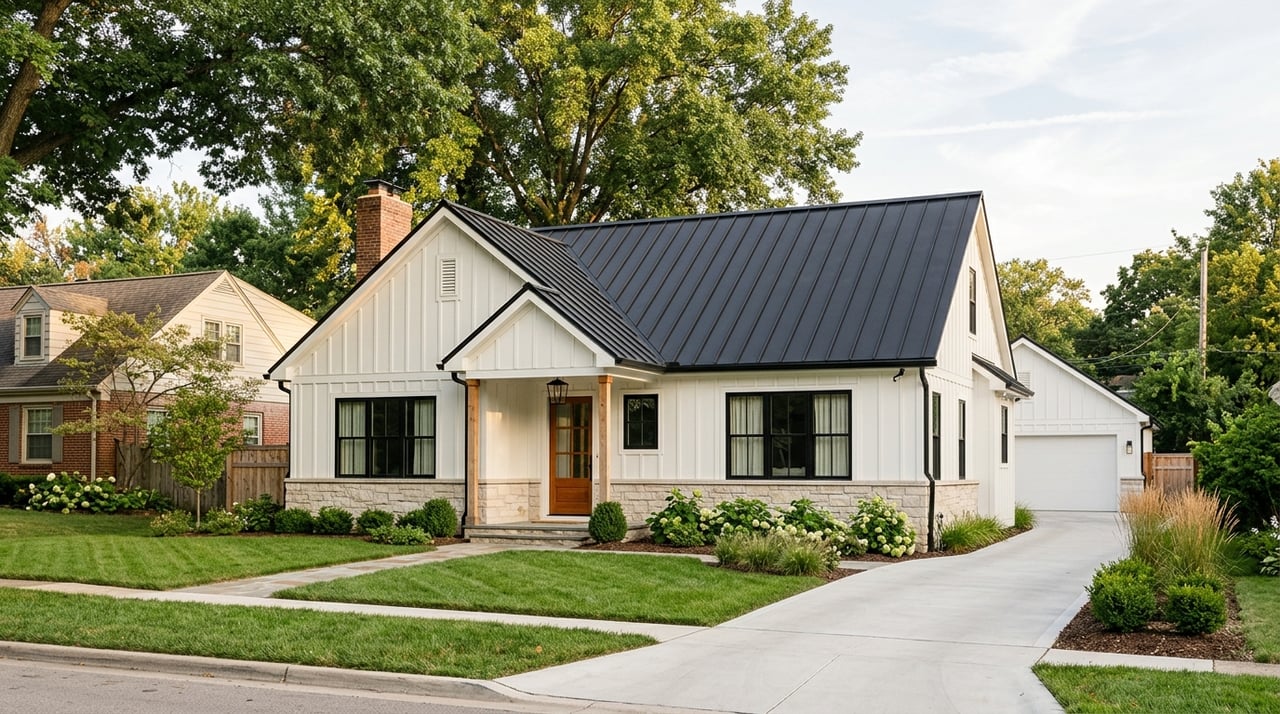
In town, you trade acreage for convenience. Lots are smaller, but your daily life is simpler. You get services at the curb and more predictable upkeep. Think about what you value most: space and self‑reliance, or convenience and speed.
Upkeep and hidden costs
Rural living carries costs that are easy to overlook.
- Septic systems need periodic inspection and pumping. If the system is older or poorly maintained, repairs can be costly. For guidance on rules and care, start with the state’s onsite wastewater program.
- Wells require routine testing and occasional equipment work. Plan for ongoing water quality checks and potential treatment.
- Roads and snow. County roads are maintained by the county, but private drives and easements are usually your responsibility. Confirm who maintains access and how winter clearing is handled. The Boone County Road & Bridge page is a good place to verify public road status: Boone County Road & Bridge.
- Utility extensions. If a parcel lacks nearby hookups, get written estimates for bringing water, power, or fiber to the home site. Inside city limits, services are managed and billed through the city’s systems, which simplifies planning. You can review how water and sewer are managed via the city’s public works page.
Insurance and risk
Insurance costs can change by address. Harrison’s fire department reports an ISO Public Protection Class of 2 for its coverage area. Homes inside that protected area often benefit from better insurance pricing. Farther out, properties beyond hydrants or several miles from a station can fall into higher ISO classes, which may raise premiums. You can read more on the city’s fire department and ISO information. Always get insurance quotes tied to the exact address and distance to the nearest hydrant and station.
Flood risk is also address specific. Lenders use FEMA flood maps to decide when flood insurance is required for federally backed loans. Even low‑to‑moderate risk areas can flood. Before you buy, review the basics of FEMA flood zones and then check the official map service for your address. This overview of FEMA flood zones explains key map terms.
Financing and appraisal
Low‑down‑payment options can shape your choice.
- USDA Rural Development. Many Boone County properties may qualify for 100 percent financing through USDA. Eligibility is address‑specific, so check the official USDA property eligibility tool early. Do not assume that a parcel is eligible just because it is outside city limits.
- FHA, VA, and conventional. Lenders can finance homes with wells and septic, but they require proof that systems meet health and safety standards. That can include water testing, septic inspections, and minimum separation distances between well and septic components. These requirements often become underwriting conditions that affect timeline and cost. For technical guidance, see the FHA Handbook reference hosted here: FHA Handbook 4000.1 excerpt.
Appraisals for acreage can take longer and feel more variable because comparable sales are less frequent and more diverse. Be prepared for lender questions about access, utilities, and the well and septic reports.
Taxes and budgeting
Property taxes vary by parcel and district. Before you write an offer, pull the tax history and current millage for the address. Inside Harrison, trash service is billed through the city’s utilities, which can change your monthly budget compared with private service outside the city. For tax records and billing details, visit the Boone County Collector and ask about any special assessments that may apply.
Smart buyer checklist
Use this checklist to compare an in‑town home and acreage near Harrison.
- Confirm city limits and hookups. If the home is in Harrison, verify city water, sewer, and trash service with public works. If outside, confirm existing meters or the need for extensions. Start with the city’s services page.
- Test well and septic. Order a septic inspection and a well flow and water quality test. Review permit history and rules with the Arkansas Department of Health’s onsite wastewater program.
- Check internet options. Run address‑level checks for wired, fixed wireless, and satellite. Compare options using BroadbandNow’s Harrison page and then confirm with providers.
- Verify fire protection. Ask about the address’s ISO/PPC rating and nearest hydrant and station. See the city’s ISO information to understand how coverage affects insurance.
- Review flood risk. Look up the parcel on FEMA’s map service and request any elevation certificate from the seller if applicable. Read a plain‑English overview of FEMA flood zones so you know the terms.
- Confirm road maintenance. Ask whether the access is county‑maintained or private and who pays for upkeep and snow removal. Check public status with Boone County Road & Bridge.
- Explore loan fit early. If you want a 0 percent down option, check parcel eligibility on the USDA site. If using FHA or VA, plan for water and septic tests as part of underwriting and see the FHA Handbook excerpt.
- Pull tax history. Confirm assessed value, tax history, and any special charges with the Boone County Collector.
- Ask for insurance quotes. Get a homeowners and flood quote for each finalist address before you commit. Use the quotes to compare in‑town versus rural budgets.
Which choice fits you
Choose an in‑town Harrison home if you want:
- Shorter commutes and quick errands.
- City water, sewer, and trash service with simpler billing.
- Faster access to medical care and public services.
- A broader buyer pool and potentially smoother resale.
Choose acreage near Harrison if you want:
- Privacy, elbow room, and space for outbuildings or animals.
- The freedom to shape land for recreation or hobbies.
- Comfort with wells, septic systems, and private road maintenance.
- A lifestyle where longer drives or remote work are acceptable.
If you are still undecided, walk two sample properties in the same afternoon: one in town and one on acreage. The drive, the noise level, and the feel of each place will tell you a lot.
When you are ready, work with a local broker who knows both sides of the market. As a longtime Harrison resident and United Country affiliate, Jeff Pratt can help you compare options, line up the right inspections and lenders, and negotiate the terms that fit your goals. Talk with Jeff — Local expertise, national reach.
FAQs
What are the biggest cost differences between a Harrison city home and nearby acreage?
- In town you usually pay for city water, sewer, and trash through a single bill, with shorter drives and simpler maintenance. On acreage, you budget for well and septic care, private road upkeep, and sometimes higher insurance if you are farther from fire protection.
How reliable is internet service on rural acreage near Harrison?
- It varies by address. Some areas have wired or fixed wireless options, while others rely on satellite. Always check actual providers and speeds at the specific parcel before you buy.
How do wells and septic systems affect financing in Boone County?
- Most lenders will finance homes with wells and septic, but expect water testing, a septic inspection, and proof that systems meet health and safety standards. These items can become loan conditions that affect timing and cost.
How does Harrison’s ISO fire rating impact my homeowners insurance?
- Homes inside the city’s protected area with a strong ISO rating often see better pricing. Properties outside hydrant coverage or several miles from a station may face higher premiums. Get address‑specific quotes early.
What should I verify about roads and access before buying acreage?
- Confirm whether the road is county‑maintained or private, who pays for upkeep and snow removal, and whether there is a recorded maintenance agreement if access is shared.
Can I use a USDA loan to buy near Harrison?
- Many Boone County addresses may qualify, but eligibility is parcel specific. Check the address on the official USDA tool early in your search and plan your budget accordingly.