Branson pulls you in for good reason. With millions of annual visitors, lively shows, and Table Rock Lake nearby, it is a natural place to own a second home. If you are weighing a low‑maintenance condo against a private cabin, you are not alone. In this guide, you will compare lifestyle tradeoffs, rental rules, taxes, financing, and practical checklists to choose confidently. Let’s dive in.
Branson second-home basics
Branson’s visitor traffic supports strong seasonal demand for short stays, which can help if you plan to offset costs with rentals. According to regional health and tourism data, the Branson area reported roughly ten million visitors in 2023, driven by attractions and lake recreation. You can review the local context in the Ozarks Health Commission’s community profile for Branson for a quick snapshot of demand drivers.
If you are considering rentals, know that rules and taxes vary by jurisdiction and by property type. Inside Branson city limits, nightly rentals require permits and tax remittance. Outside city limits, different zoning and rules may apply. Your first step is to confirm whether a property is actually inside the city.
Condo vs cabin: lifestyle fit
Maintenance and predictability
- Condo or townhome: You typically trade a monthly HOA fee for reduced exterior responsibility. Landscaping, exterior repairs, and shared amenities are handled by the association, which can make part‑time use simpler.
- Standalone cabin: You take full responsibility for the lot, exterior, and systems. Expect to line up a local handyman or property manager for routine and emergency needs.
Amenities and guest appeal
- Condo or townhome: On‑site amenities like a pool, fitness room, or secure parking are common and attractive to short‑term renters. Owner stays are usually easy and turnkey.
- Standalone cabin: You gain character and privacy, often with wooded or lakeside settings. To meet guest expectations, plan for strong Wi‑Fi, reliable HVAC, and adequate parking.
Privacy, control, and setting
- Condo or townhome: Convenience, community amenities, and simpler lock‑and‑leave security are the draw, usually closer to entertainment corridors.
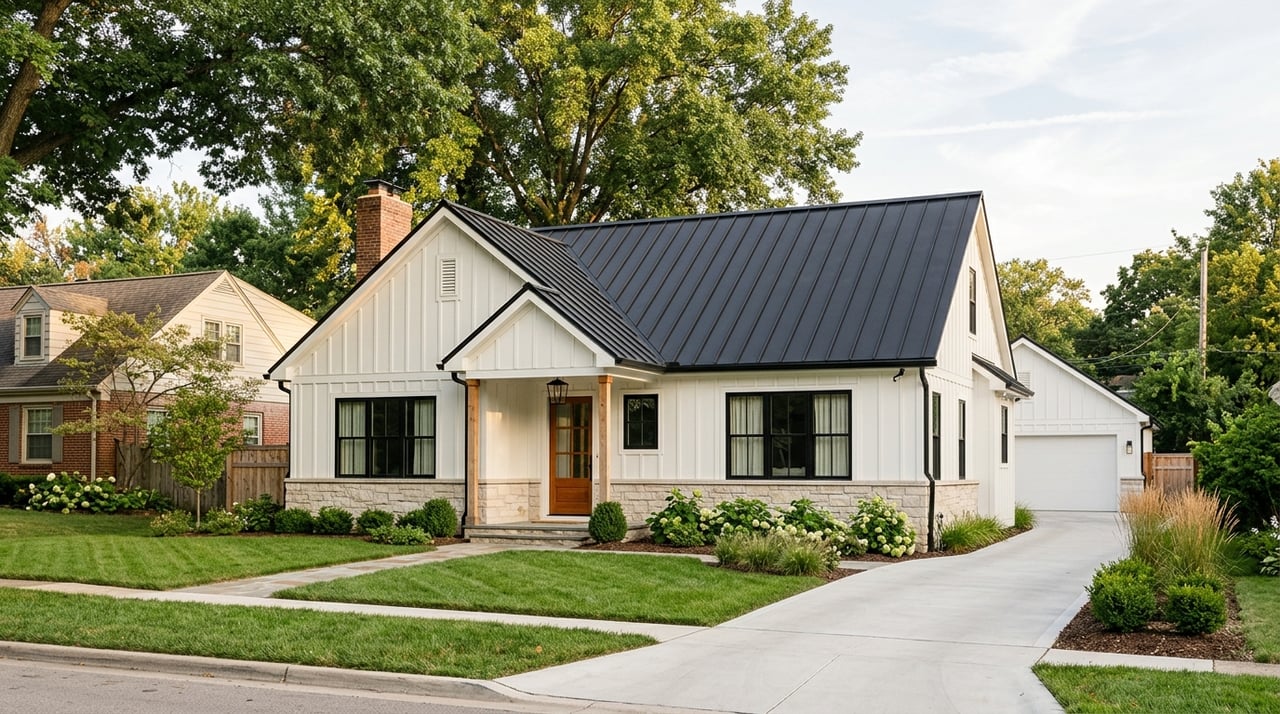
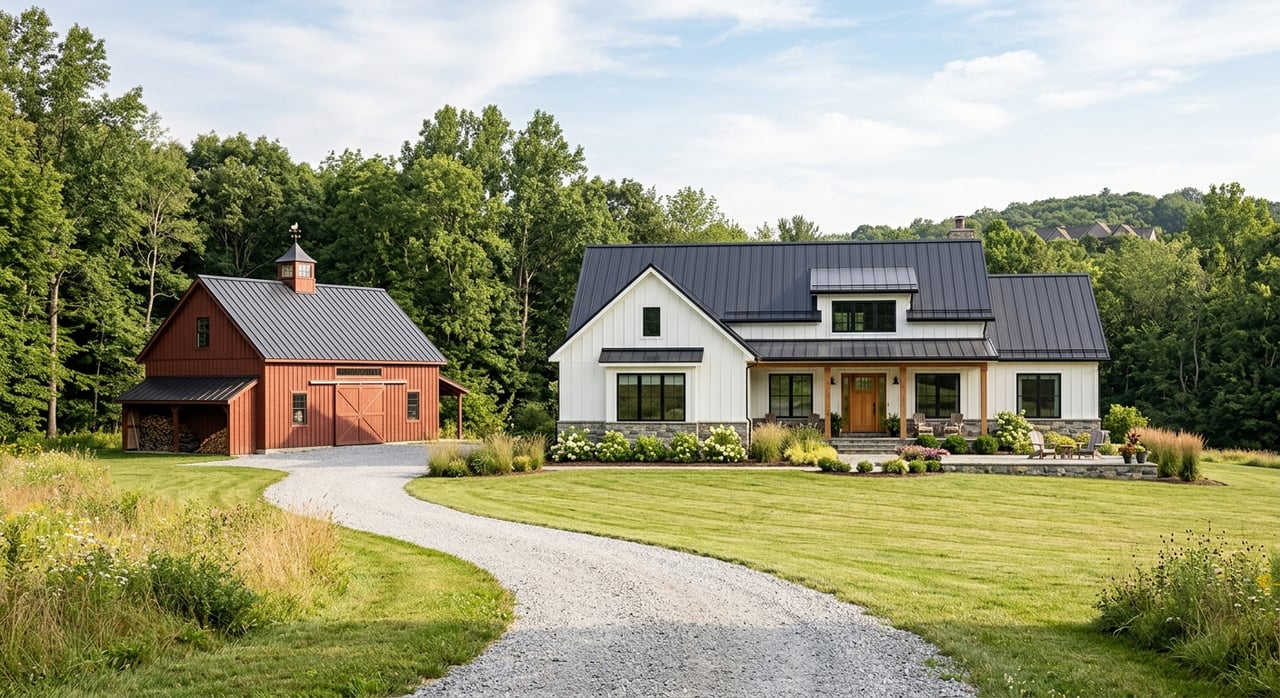
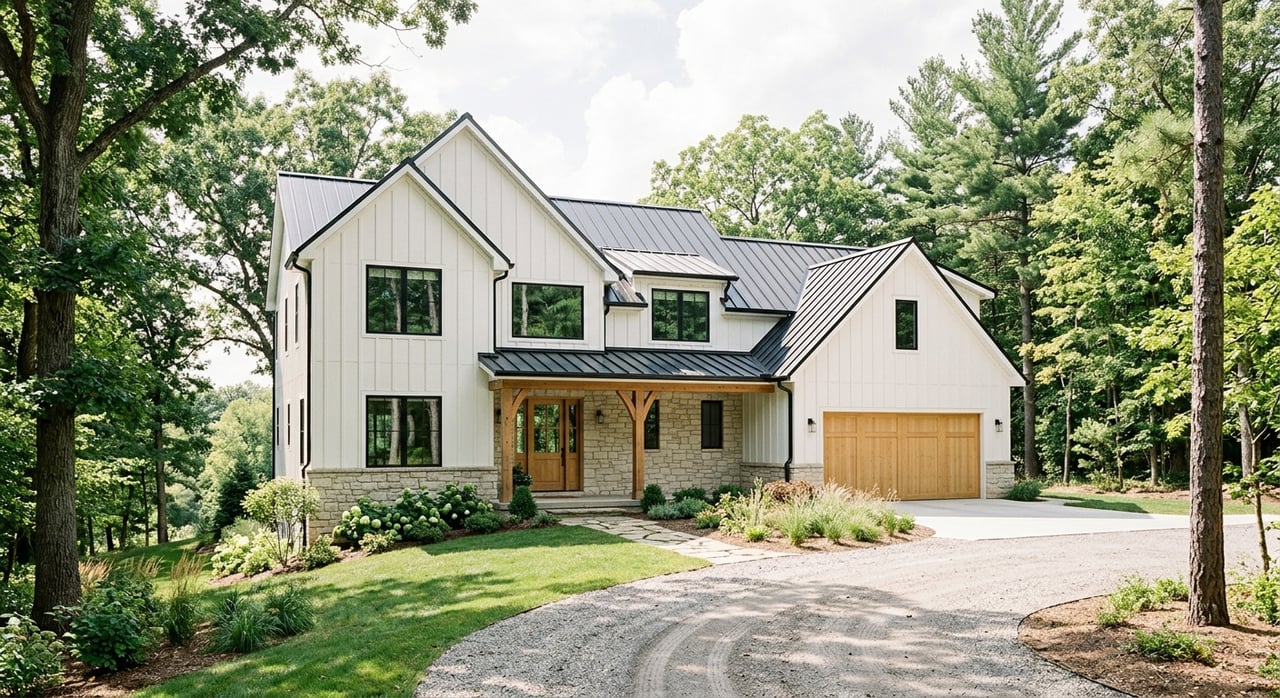
- Standalone cabin: Maximum privacy and customization, often in quieter Ozark settings near Table Rock Lake or forested ridges.
Rental rules and taxes to verify
City limits and permits
If a property sits inside Branson city limits, nightly rentals require a business license, a Short‑Term Rental (STR) Permit issued after a fire‑safety inspection, a tourism tax bond, and ongoing remittance of the 4% city tourism tax on transient lodging. The city’s updated program takes effect May 1, 2025, and the owner is responsible for remitting the tourism tax. Use the city’s STR page to confirm requirements and check a specific address’s status.
HOA rental restrictions
For condos and many townhomes, the association’s recorded declaration and rules govern rentals. Some projects allow nightly rentals without limits, others cap investor units, require longer minimum stays, or ban STRs. Missouri’s condominium law frames association powers, but the project’s declaration controls day‑to‑day rules. Always obtain and read the recorded documents before you write an offer.
Lodging taxes and fees
Short‑term stays in Missouri are subject to state sales tax of 4.225%, plus local taxes and, if inside city limits, Branson’s 4% tourism tax. The combined rate varies by address, which can change your net income. Verify the exact combined rate for the property’s taxing jurisdiction using the Missouri Department of Revenue resources.
Financing and insurance essentials
Second home vs investment loans
Lenders classify occupancy differently, and that affects pricing, down payment, and how rental income is treated. Under agency guidance, a “second home” is a one‑unit property you will occupy for part of the year and not place in a rental pool. Many lenders expect larger down payments and reserves for second‑home loans, and rental income from the subject property generally cannot be used to qualify for a second‑home mortgage. Review the Fannie Mae summary on occupancy types and confirm current rules with your lender.
FHA and VA occupancy rules
FHA and VA programs are designed for primary residences and require the borrower to occupy the home within a set window. These programs are generally not usable for buying a second home or an STR. You can check FHA occupancy guidance and the VA buyer guide for the basics.
Condo project approval
If you finance a condo with conventional lending, your lender may need the project to meet condo project eligibility rules. Ask early about project approval to avoid surprises and delays.
Insurance for personal use and STR
Insurance must match how you will use the home. A second‑home policy differs from a landlord policy, and most insurers require a short‑term rental endorsement or a specialized STR policy if you host guests. For cabins near lakes or in wooded areas, check flood zones and wildfire or liability exposure. Use Taney County’s online tools and FEMA maps to evaluate location risks and get quotes before you close.
Simple decision guide
- Choose a condo or townhome if you want low‑maintenance living, on‑site amenities, and easy lock‑and‑leave security, and you are comfortable with HOA rules and fees.
- Choose a standalone cabin if you want privacy, customization, and a unique Ozarks setting, and you are willing to manage or outsource maintenance.
- If STR income is central to your plan, confirm all four: jurisdiction allows STRs, you can obtain the Branson STR permit if inside city limits, the combined lodging taxes and platform or manager fees still support your numbers, and your loan and insurance pricing fit the cash flow.
Pre-offer checklist
- Jurisdiction and zoning: Verify city limits or county jurisdiction, zoning for transient lodging, and any special taxing districts.
- HOA and condo packet: Declaration, bylaws, rental rules, meeting minutes, current budget, reserve study, master insurance, and any special assessment history.
- Taxes: Obtain the seller’s last 2–3 years of tax bills and current assessed values from county records.
- STR plan: If applicable, gather prior occupancy and average daily rate data for the unit or similar units, plus permit history if already operating.
- Insurance: Get quotes for second‑home coverage and, if renting, STR endorsements or specialized policies with adequate liability coverage.
- Lender: Secure pre‑qualification and confirm whether the loan will be underwritten as a second home or investment. Ask about condo project approval requirements if buying a condo.
- Local service network: Line up a property manager or cleaner, plus local trades for on‑call maintenance and guest support if you plan to host.
Local resources
- City of Branson Nightly/Short‑Term Rentals: permitting, inspections, and the 4% tourism tax requirements.
- Taney County official site: mapping tools and county contacts to check unincorporated addresses and location risks.
- Missouri Department of Revenue sales and use tax: verify the 4.225% state rate and confirm combined local rates for your property’s address.
When you are ready to compare specific addresses, a local guide can save you time and missteps. With deep Ozarks experience and full‑service coordination, Jeff Pratt can help you evaluate buildings, cabins, HOA rules, STR feasibility, and local service options so you buy the right Branson second home with confidence.
FAQs
What is the biggest difference between a Branson condo and a cabin?
- Condos centralize exterior upkeep and amenities through an HOA for predictability, while cabins offer privacy and control but require you to manage all maintenance.
How do Branson city STR permits work for nightly rentals?
- Inside city limits you need a business license, STR Permit after a fire‑safety inspection, a tourism tax bond, and you must remit the 4% tourism tax to the city.
Which taxes apply to short‑term rentals in Branson and Taney County?
- Missouri’s 4.225% state sales tax applies to lodging, and combined local rates plus Branson’s 4% tourism tax inside city limits stack by address.
How will a lender classify my Branson vacation home if I also rent it?
- If you will occupy it part of the year and do not place it in a rental pool, many lenders treat it as a second home, but investment use can change terms and pricing.
Can I use FHA or VA loans to buy a Branson second home or STR?
- Generally no—FHA and VA require primary residence occupancy, so they are not designed for second homes or short‑term rentals.
What insurance do I need if I plan to host short‑term guests?
- You will likely need a second‑home policy plus a short‑term rental endorsement or a specialized STR policy, with liability limits suited to guest stays.